
Kymenlaakso

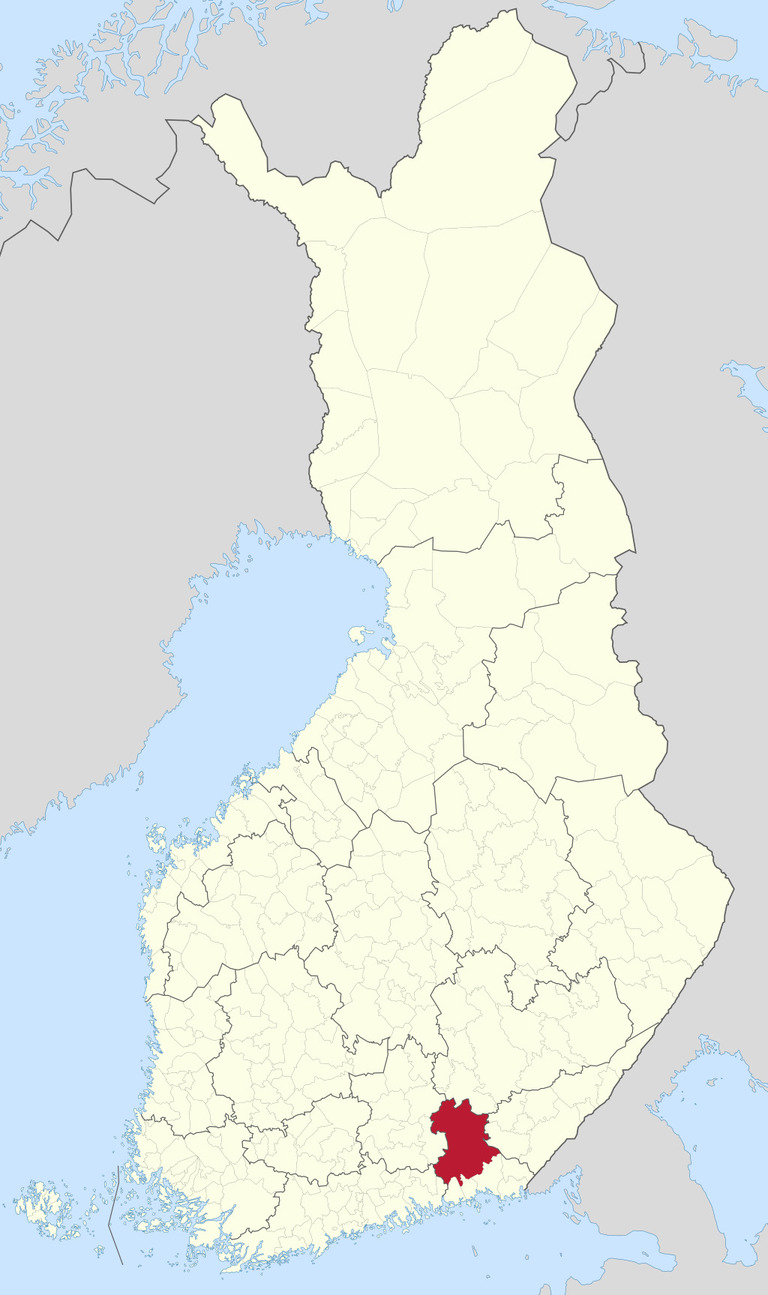
Mail from small villages of the Finland's Kymenlaakso region. I've compiled the items under each village's current municipality or city. There have been a lot of changes during the last two decades as cost-efficiency challenges have driven municipalities to merge into bigger units. The municipalities and cities of Kymenlaakso as of 2025 are: Hamina, Kotka, Kouvola, Miehikkälä, Pyhtää and Virolahti.
Kouvola

Ahvio
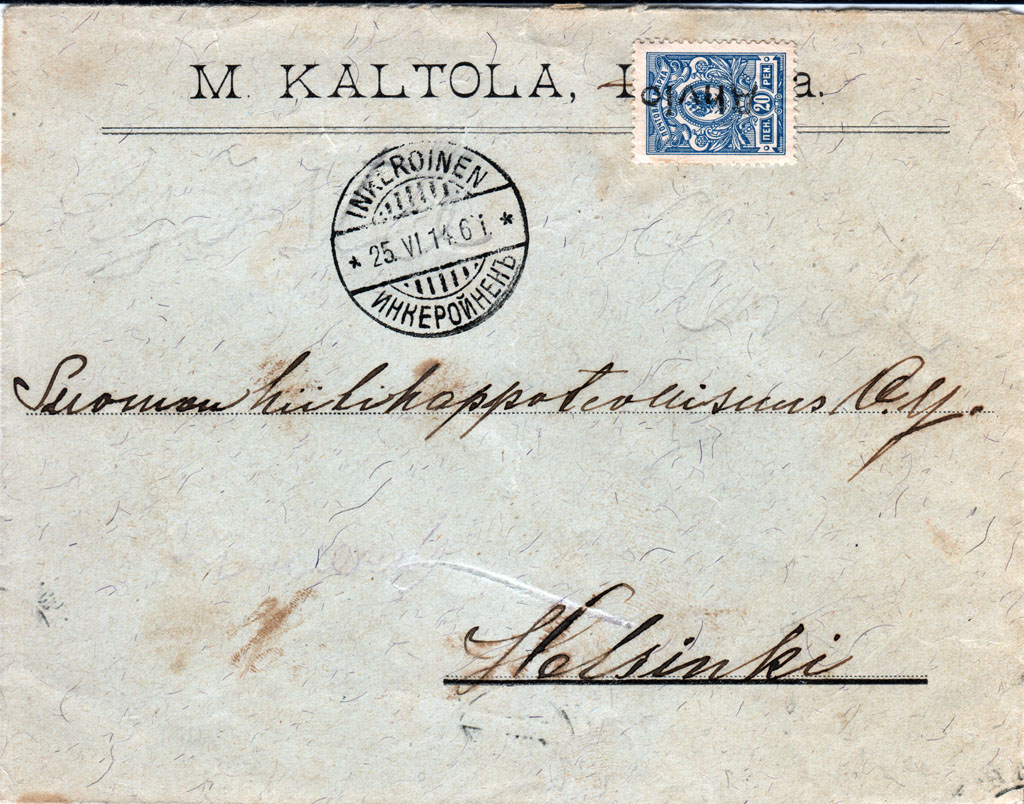
A letter from Ahvio village to Helsinki dated 25.6.1914. The village is located on the banks of Kymijoki-river about 30 kilometres south of the city of Kouvola. Ahvio is nowadays considered a village of Kouvola city. The village is now (2025) a home to about 50 inhabitants divided into less than 30 households. Most of the inhabitants are elderly. The village contains about 50 or so buildings but almost half of them are summer cottages not permanently habited.
The oldest remaining records of the village are from the 1540's and they mention that the village was composed of two houses. As the village gradually grew the village proper grew too dense resulting in bloody property feuds in the 1600's. Eventually the village centre grew in such a way that it essentially became uninhabitable. In the late 19th and early 20th century all the remaining houses were tored down and people migrated to vacant lots nearby. Today, the original old village centre is populated by forests and undergrowth hiding the remains of old buildings.
The village gained a mail stop in 1.8.1912 and an actual post in 1.6.1955. All postal functions ceased in 8.4.1991. The letter below has the mail stop cancellation "Ahvio" and was further processed in the town of Inkeroinen about five kilometres north-east of Ahvio.
A Google Maps link to Ahvio village area.
Kirjokivi
Kirjokivi -area was a completely uninhabited wilderness until Counselor (Finnish word vuorineuvos does not have an exact translation, it's simply an honorary title for distinguished industrialists) Rudolf Elving decided to build there a massive mansion complex as a summer residence for his entire family. The construction began in the 1890's and continued until well into the early yearts of the 20th century. Elving was a major industrialist who founded the locally famous Voikkaa paper mill that churned out paper products over a 100 years until it's closure in 2007. Elving was powerful enough that he made sure that the newly built railway (so called Savon rata) would go through his lands. He was succesfull and a new rail stop was established in 1899 right next to his mansion. He had already secured a new mail stop with the name Kirjokivi which was officially established in 1.1.1899.
The counselor's summer residence grew in size and became a major employer in the area with probably hundreds of employees in it's peak glory (including those needed for the rail stop operation). Post office never actualised and the Kirjokivi mail stop was finally discontinued in 1981. Elving was also a keen gardener. The mansion's estate is no longer as large as it once was (for various reasons not relevant here) but nowadays the restored mansion with it's numerous buildings and parks are in recreational use (including a hotel and restaurant activities as well as many summer activities for tourists).
The below postal stationery card was sent from Kirjokivi to nearby Valkeala (in today's Kouvola municipality) 17.8.1900. The sender is Counselor Rudolf Elving himself and the recipient is Adolf Colliander who owned the Valkeala manor. The text on the card indicates that Elving sent two bulls via rail to Colliander. The stampings on the card indicate it was transported via the Savo railway line in post wagon 10 and arrived in Kouvola later the same day.
Voikoski

Kotka

Kotkan Metsola
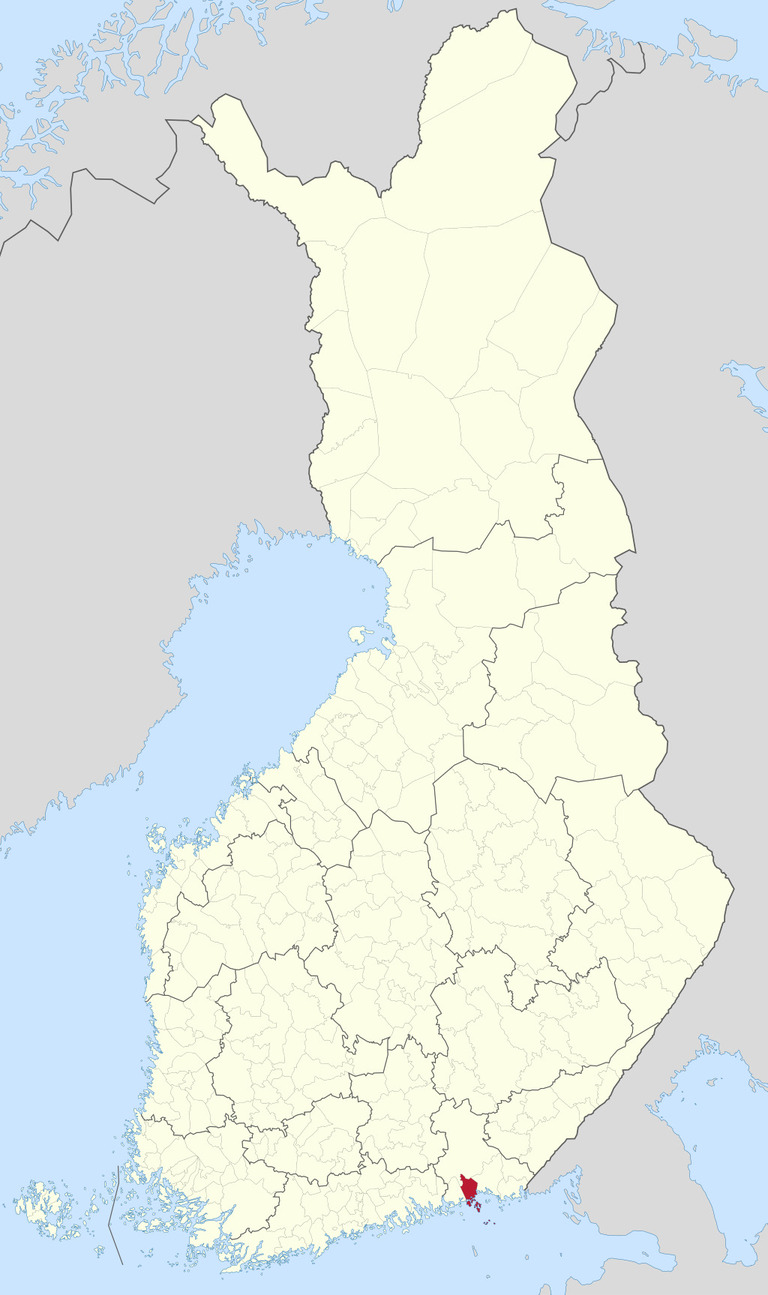
Originally a small village about 3 kilometres away from the city centre of the city of Kotka. While there has been some industrial enterprises in the village area in the 19th century, the village was formally established in 1924. It was also decided at that time that all the roads are named after different species of birds. The village was small at first but it's adjacency to Kotka city quickly attracted population there and today Metsola is a city quarter of the Kotka city. The current population of Metsola is about 1300 (2025) but in the 1920's and 1930's it was somewhat lower.
Kotkan Metsola never did have a mail stop; instead it received it's post office in 1.6.1937 so over a decade later of it's founding. Originally the cancellation was also "Kotkan Metsola" but as the village quickly grew towards the Kotka city it was changed to a boring "Kotka 22" in 1.1.1972.
Here is a Google Maps link to Metsola as it stands today.
Below is a Christmas greeting postcard sent from Kotkan Metsola to Hamina city not far away. The rate of postcards was already 9 marks at the time but only 5 marks for printed matter. Correct rate as printed matter by the rules expressed here.

Hamina

Reitkalli
Reitkalli (Bredskall in Swedish) is a small village in Hamina located about eight kilometres north-west of it. The village used to belong to the municipality of Vehkalahti that merged with Hamina in 2003. The village area has rich archaeological evidence of habitation dating back to the stone age. The village has been in existence at least from the 13th century and evidence suggests that it was initially formed by immigrants from Sweden and while Finnish settlers took over starting from the 17th century, the Swedes' inheritance is still visible here and there. The Swedish name Bredskall is probably based on a 14th century person or family who lived in the village. The Finnish language twisting of the Swedish name is known to exist since at least from the 1880. The village was formed in a natural junction point between merchant roads and waterways of old and subsequently became inhabited by the more higher classes of society resulting in several mansions dotting the countryside; some of which are still inhabited. There is also a peculiar phase in the village's history regarding social status as for unknown reasons one out of six villagers belonged to a special social class (that was called "knaapiväestö", knave in English) who were tax exempt but did not have the privileges of actual nobility. This was in addition to actual nobility who manned tax exempt farms. The village's current population (2023) is about 250 inhabitants.
The village received a mail stop in 1.3.1899 (for the Swedish name Bredskall) and a post office in 1.1.1908 (now with the Finnish translation Reitkalli). So one should not find mail stop cancellations and post office cancellations with the same name. Finally all mail functions in the village were cancelled in 1.6.1991.
Below is a postcard from Reitkalli to Vyborg dated 23.10.1903. It was further processed in nearby town of Inkeroinen (the town's name used to be Inkeroi but was changed to "Inkeroinen" in 1911). The postcard shows a mail stop cancellation of Bredskall. A private rail road station was also opened in 1899 as well (a stoppage in the railroad line between Inkeroinen and Hamina) so in most likelihood the mail was carried by rail and was stamped at the railway station. A small station building stood beside the stoppage up until the 1930's. None of the original buildings nor even the railway itself exist any longer. The cancellations also reveal that the postcard was in transit mere hours arriving in Vyborg only five hours after being processed in Inkeroinen. It's worth pointing out that the post bags would have to be transferred to a different train in Hamina so the stars were surely shining for such a speedy delivery!
Here is a Google Maps link to the village area.

Miehikkälä

Pyhtää

Vastila
A letter from Vastila village to Helsinki dated 5.8.1908. The village is located on the north banks of one of Kymijoki-river's branches and about 30 kilometres south of the city of Kouvola. Vastila is nowadays considered a village of Pyhtää municipality. The village is now (2025) a home to less than four hundred inhabitants divided into less than 200 households. The village is demographically rather stable. The village surroundings are rather beautiful and there is a significant influx of people during the summer months as there are hundreds of summer cottages in the village and it's nearby areas.
Vastila has been inhabited continuously at least since the middle ages and records indicate that at least seven farms were known already in the 16th century. Archaeological findings from Vastila village indicate that there has been human activity in the village area already during the stone age period (4200-2000 BC).
The village gained a mail stop in 1.10.1895 (at that time it was a village of Ruotsinpyhtää municipality) and an actual post in 1.6.1911. The letter below has the mail stop cancellation "Vastila" and was further processed in the town of Inkeroinen about ten kilometres north-east of Vastila. It is worth noticing that while the cancellation reads "Inkeroi" it is actually "Inkeroinen". The name was changed to "Inkeroinen" in 1911 so few years after this letter was sent.
A Google Maps link to Vastila village area.
Virolahti
